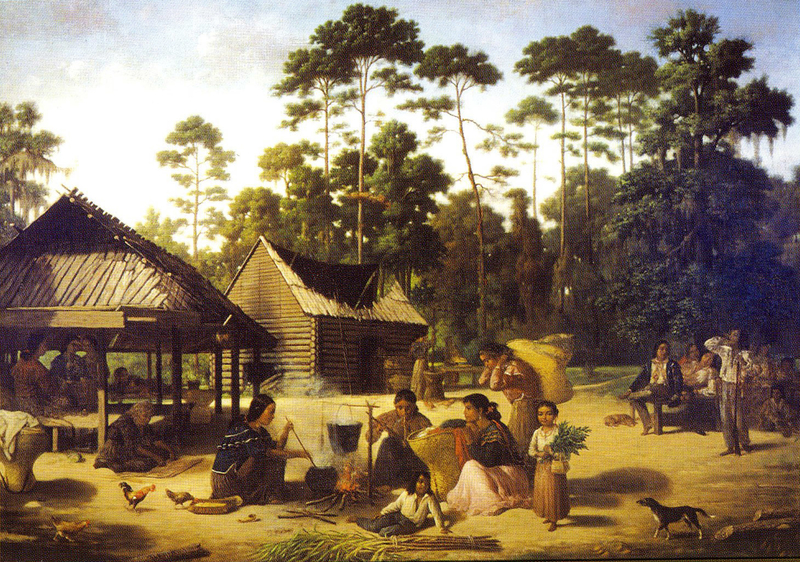
Mississippi’s history and identity are deeply shaped by the Indigenous cultures that lived on its land long before European arrival. The Choctaw, Chickasaw, Natchez, Tunica, Biloxi, Pascagoula, and many other Tribal Nations left behind traditions, languages, and practices that continue to influence the state today. From the layout of towns and farmlands to music, food, and storytelling, the imprint of Native cultures is everywhere.
One of the most visible reminders of Indigenous influence is the presence of earthen mounds. Across Mississippi, ancient mound sites—such as Emerald Mound, Winterville, and Nanih Waiya—testify to the skill and organization of Native peoples. These structures served as ceremonial centers, homes for leaders, and sacred spaces. They also reveal how communities managed land, celebrated religion, and developed complex societies. Today, many mound sites are preserved as historic landmarks and continue to hold spiritual meaning, especially for the Mississippi Band of Choctaw Indians.
Agriculture in Mississippi was also shaped by Native innovation. Long before European settlers, Indigenous farmers cultivated corn, beans, squash, and sunflowers. These crops became staples not only for Native communities but also for later settlers, ensuring survival and shaping southern diets. Native knowledge of the land—where to plant, hunt, and fish—still influences farming practices and local cuisine.
Cultural traditions passed down through stories, songs, and dances remain another important influence. Choctaw social dances, the use of stickball as both sport and ceremony, and oral storytelling have survived through generations. These traditions connect Mississippi to its Indigenous roots and offer lessons about resilience, community, and respect for nature.
The very name “Mississippi” comes from an Ojibwe word, Misi-ziibi, meaning “great river” or “big water.” This name highlights how central the river was to Native life, serving as a source of food, travel, and trade. From the state itself down to the smallest creeks, waterways across Mississippi often bear Indigenous names, reflecting their importance to survival and community.
Other well-known examples include:
Dozens of other place names—Attala, Tishomingo, Tunica, Biloxi, and Chickasaw counties, for example—directly reflect the Tribal Nations who lived in these areas. Many of these names carry not just geographical meaning but also cultural and spiritual significance. For Native peoples, naming a place often expressed its character, resources, or connection to tribal identity.
These Indigenous place names continue to shape how Mississippians speak, navigate, and imagine their land. They serve as everyday reminders of the first peoples of Mississippi and the deep history that existed long before statehood. For students and residents alike, recognizing the Native origins of these names fosters respect for the cultures that helped define Mississippi’s identity.
Finally, Indigenous people continue to shape Mississippi in the present. The Mississippi Band of Choctaw Indians operates schools, businesses, and cultural centers that strengthen both tribal life and the state’s economy. Their leadership in preserving language and cultural practices ensures that Native influence is not only a matter of history but also a living force in Mississippi today.
In every mound, story, tradition, and name, Mississippi carries the legacy of its first peoples. Indigenous cultures provided the foundation upon which the state was built and remain a vital part of its identity. Recognizing this influence honors the past and helps all Mississippians better understand the land they call home.